


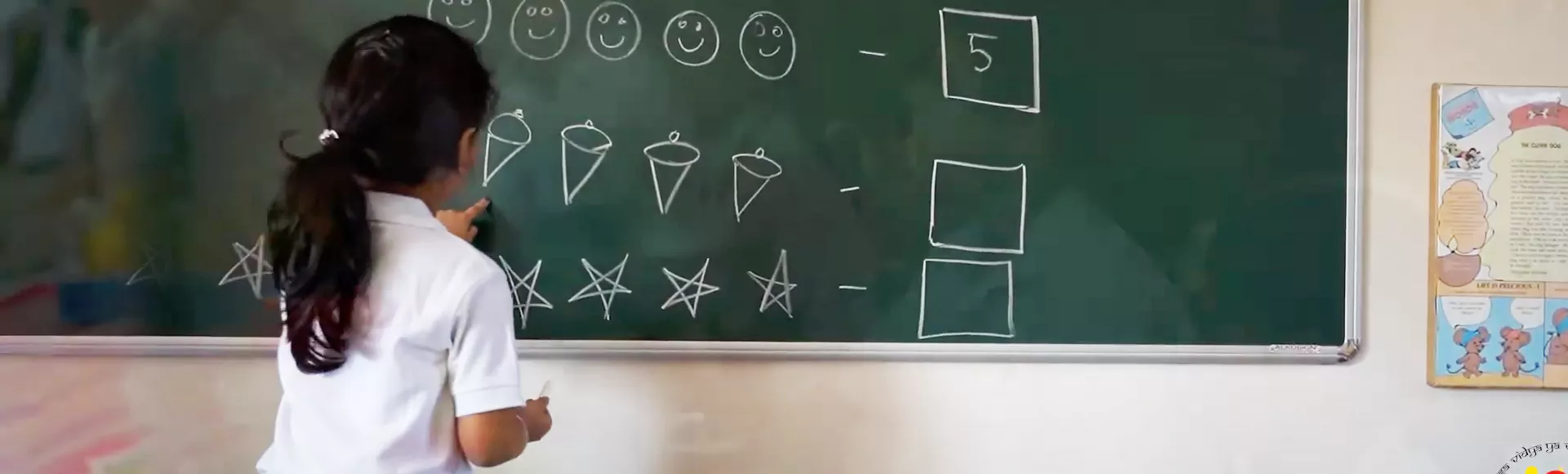
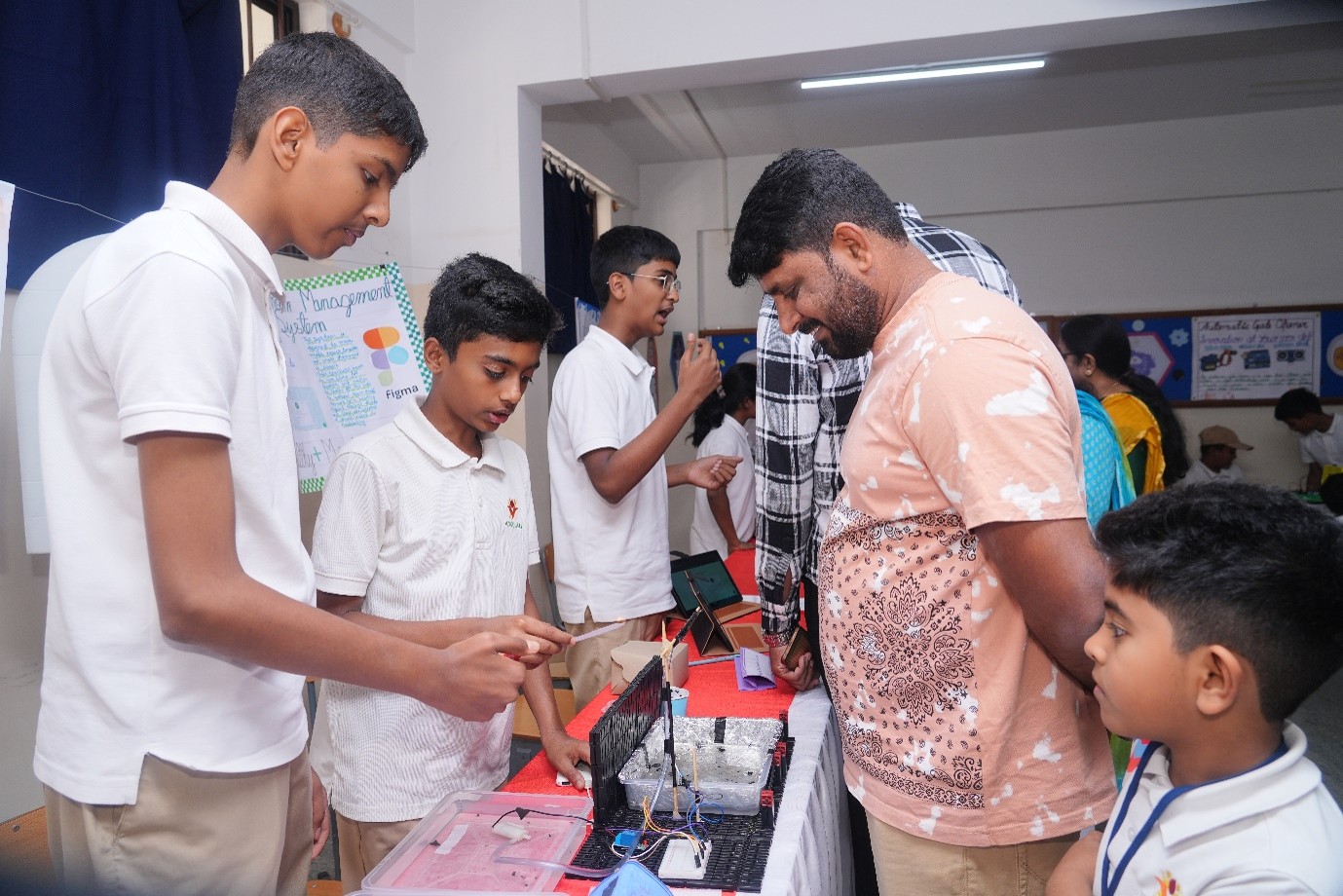
Technology has become an integral part of
early childhood education in many schools today. Technology allows children at
different learning levels to connect with and comprehend concepts through
visual methods, using interactive learning tools and practising independently.
Vidyanjali Academy has noticed a shift in early learning through technology
in the classroom and believes it is paramount to provide every student with an
opportunity for success through a technology-integrated approach to primary
education. This article takes a look at the impact this integration is having
on young learners in primary education.
Why Is Technology Important in Primary Education?
Technology plays a huge part in primary education as it helps
children build essential foundational knowledge while developing important
digital literacy skills. Technology in primary education has the following
impact:
●
Skills such as reading,
writing, and mathematics, along with social-emotional competencies, are the
foundation for success in other areas of a student's well-being and future
after school.
●
All students learn about
responsibility and the safe use of technology from an early age.
●
Supports teachers with digital
resources that enhance rather than replace teaching.
●
Promotes 21st-century skills
like critical thinking, problem-solving, communication, and collaboration
through digital-based interactive and shared work tasks.
What Are the Most Common Technologies Used in Primary Schools Today?
Very few primary schools are without various forms of technological
support for teaching, learning, and assessment.
● Smartboards and Interactive Displays:
Smartboards and interactive displays enable teachers to teach using visual
elements such as videos, images, diagrams, and games. These resources help keep
visual learners active and engaged in the lessons.
● Tablets and Mobile Learning: Tablets
provide an interest for the children to use the internet since they are
flexible and mobile. They also provide access to educational applications that
teachers use for reading practice, worksheets, and creative assignments such as
drawing tasks.
● Educational Apps and Games: A wide range
of educational apps and games help children develop fundamental skills,
including spelling, grammar, and mathematics. Using such fun educational games,
young kids can rehearse any new skill they want to learn, and it is helpful in
situating them at the right place within a group at school.
● Online Collaboration Tools: Online
collaboration tools enable students to work together on shared documents,
improve one another’s work, and develop teamwork and communication skills.
● AI-Powered Learning Tools: AI-driven
educational tools supplement traditional instruction through structured digital
activities. This kind of learning helps teachers evaluate which method works
the best.
How Do Schools Integrate Technology into Classroom Teaching?
Schools integrate technology by combining traditional instruction
with structured digital activities. This is an effective approach that supports
learning and enables classroom interaction.
Blended Learning and Flipped Classrooms
The concept of blended learning integrates instruction in the
classroom and supports learning and enables classroom interaction for revision
and reinforcement. In flipped learning, students watch short videos at home and
use classroom time to discuss content, solve problems, and take part in guided
practice.
Digital Storytelling and Interactive Activities
Digital storytelling helps children develop creativity, language,
writing skills, and confidence. Students can use their imagination to create
stories using images and simple presentations. Interactive tests and classroom
games also encourage active participation.
Project-Based Learning using Digital Tools
Project-based learning allows students to apply knowledge through presentations, posters, and creative assignments. Digital tools help students to conduct research, organise content, and present their work clearly.
How Does Technology Support Teachers in Primary Education?
Technology supports teachers in lesson planning and maintaining
records of student progress.
Lesson Planning and Resource Curation
Teachers have access to a wide range of materials, including
worksheets, lesson plans, demonstrations, and instructional videos. This could
save some time and enable teachers to better arrange resources in their
classroom.
Monitoring Student Progress using LMS
Within Learning Management Systems (LMS), an educator identifies the
learning spread across submitted tasks, quizzes, and class participation. These
methods help in maintaining progress records and helps teachers gain insights
into students' progress.
Personalised Learning Pathways
Technology helps teachers to customise
lessons according to students’ skills. When students need additional help
learning a particular skill, they can access these digital resources to help
them along their journey.
Digital Attendance and Behaviour Tracking Systems
Digital Systems for attendance, behaviour
tracking, and parent communication reduce administrative burden on teachers.
What Are the Benefits of Using Technology in Primary Education?
There are several benefits of technology when incorporated as a
supporting educational tool.
●
Increased Engagement and
Motivation: Technology allows teachers to assess
the performance of students as well as determine the gaps in learning. It also
enables reteaching, providing instruction designed to meet student needs.
●
Greater Understanding of
Concepts: By making use of technology, concepts can
be explained in a better way using audiovisuals.
●
Accessible Learning: Technology facilitates inclusive learning through assistive
devices, such as a text-to-speech system, a screen magnifier, and audiobooks.
●
Support for Different
Learning Styles: No two students learn in the same
manner. Visual learners work better with videos and diagrams, while auditory
learners hear and learn best with audio materials.
Are There Any Challenges with Technology Integration in Primary Education?
While the use of technology can help improve academic achievement
for many students, schools and parents must also recognise that there are
several challenges involved in using technology in an educational setting.
●
Screen Time Concerns: Excessive screen time may affect attention span, eye health, and
physical activity levels.
●
Teacher Training and Digital
Competence: Teachers must receive adequate training
to use digital tools effectively. It may limit their capacity to access and use
technology appropriately, as well as affect the potential outcome on student
learning.
●
Infrastructure and Budget
Constraints: Not all schools can offer the same
access to technological resources. Some of them may have enough devices and a
strong Internet connection, while others
may not.
●
Digital Divide and
Accessibility: Students might not have access to
devices or reliable internet at home, leading to gaps in learning
and disparities in education.
What Role Does the National Education Policy (NEP 2020) Play in Tech Integration?
One of the key aspects of NEP 2020 is
addressing equity and inclusion for all students. The policy tries to ensure
that everyone gets access to high-quality education.
●
Digital Infrastructure: NEP 2020 encourages the creation of digital infrastructure and also
its robustness. This includes developing digital materials,
upgrading instructional platforms, and improving school-level connectivity.
●
National Digital Education
Architecture (NDEAR): With an objective to ensure
equitable access to quality education, the NDEAR would strive to
make technology and digital tools more effective and integrated within school
education.
● Training for Teachers: NEP 2020 stresses the importance of educators getting trained to use technology for effective classroom participation and bringing out better learning outcomes in students.
●
Equity and Inclusion: NEP focuses on promoting equity and inclusion. Through technology,
NEP aims to ensure that all students get access to high-quality technology
regardless of the background they come from.
How Does Vidyanjali Academy Lead in Integrating Technology in Primary Education?
Vidyanjali Academy also believes that education cannot be a
one-size-fits-all model. It acknowledges that each student is different and
possesses various talents, abilities, skills, learning rates, and preferences.
Vidyanjali Academy works to ensure that its students will succeed in all
aspects of their development by providing the opportunity to integrate this
technology into their early education.
●
Smart Classrooms with
Technology-Enhanced Learning Techniques: Smart
Classrooms help in creating an interactive learning environment and help in
improving the awareness of all learners in the class.
●
Blended Learning Programmes: The blended learning programme will enable students to have an
organised digital learning environment. This allows all students to review and
reinforce the concepts learned through Vidyanjali Academy on their own time.
●
Use of Leading EdTech
Platforms: The school will assist students using
many popular EdTech platforms to promote and improve access to resources that
support a child's ability to practice, learn, and gain skills.
●
Parent–Teacher Digital
Communication: At Vidyanjali Academy, we value the
communication between teachers and parents through digital mediums. This
empowers parents to receive feedback on their child's progress, monitor their
child's progress, and be informed about their child's development.
Vidyanjali Academy is recognised as one of the
leading schools for technology-integrated primary education in India.
How Does Technology Help with Inclusive and Personalised Learning in Early Education?
Technology affords some assistance to a more
flexible approach to learning in that we have developed these devices already,
which can support the development of the individual child and take into account
their learning style.
●
Tools for Children with
Disabilities: If a child has disabilities in areas
such as reading, writing, or comprehension, they can use tools such as
text-to-speech, speech-to-text, audio support, and screen magnifiers to allow
participation.
●
Multilingual Platforms: Technology allows children to learn in the language that they are
most comfortable in. This can help increase their confidence and help in
learning the fundamental concepts. Technology enhances their confidence.
●
AI-Based Adaptive Learning: Adaptive learning platforms help in creating personalised learning
experiences for children.
●
Gamification for Different
Learning Speeds: The use of gamification for
learning allows children to practice at their own pace without the pressure of
any specific deadline. Motivational levels are maintained through reward
systems and student progress tracking.
How Can Parents Support Tech-Based Learning at Home?
Parents can help support digital learning at home by continuing to
offer structure, safety, and balance.
●
Selecting Safe and
Age-Appropriate Platforms: Parents can help
steer their child’s digital learning by selecting platforms that are safe and
age-appropriate and support their learning goals.
●
Setting Screen Time Limits: Parents should set time limits to make sure that digital usage and
physical activities are in balance.
●
Engaging in Co-Learning
Experiences: Parents may learn together with their
children when taking lessons and assist their children to undertake activities
when support is required.
●
Encouraging Tech-Enabled
Creativity: Parents can support their kids’
creativity with technology-focused activities like digital storytelling or
drawing apps, and introductory coding games. These activities can help in
encouraging both creative expression and learning.
Discover how Vidyanjali Academy creates meaningful
learning experiences through a balanced blend of tradition and technology.
Explore a learning environment where strong foundations meet future-ready
skills.
1. Is technology good or bad for young children?
There are both advantages and disadvantages to using technology in
child development. For children, the judicious use of technology integrated
within the learning process towards skill-based activities or creative
explorations, combined with balanced play, can be useful.
2. How much screen time is appropriate in school?
Screen time should account for a very small portion of a child's
primary school education. There must always be a balance between the use of technology
for learning purposes and the use of such materials as reading, writing,
talking, and being physically active.
3. At what age should children start using technology in learning?
Children who are in primary school should be monitored by their
parents to make sure that the apps being used are safe and appropriate. This
way, children can learn foundational skills and gain digital literacy, all in a
balanced way.
4. Can technology replace traditional teaching methods?
No, technology should not replace traditional teaching methods in the primary school setting. Teachers create a structure for the child, they support social and emotional development, encourage self-discipline, and provide opportunities for the child to learn through social interaction, none of which can be replicated through the use of technology.