



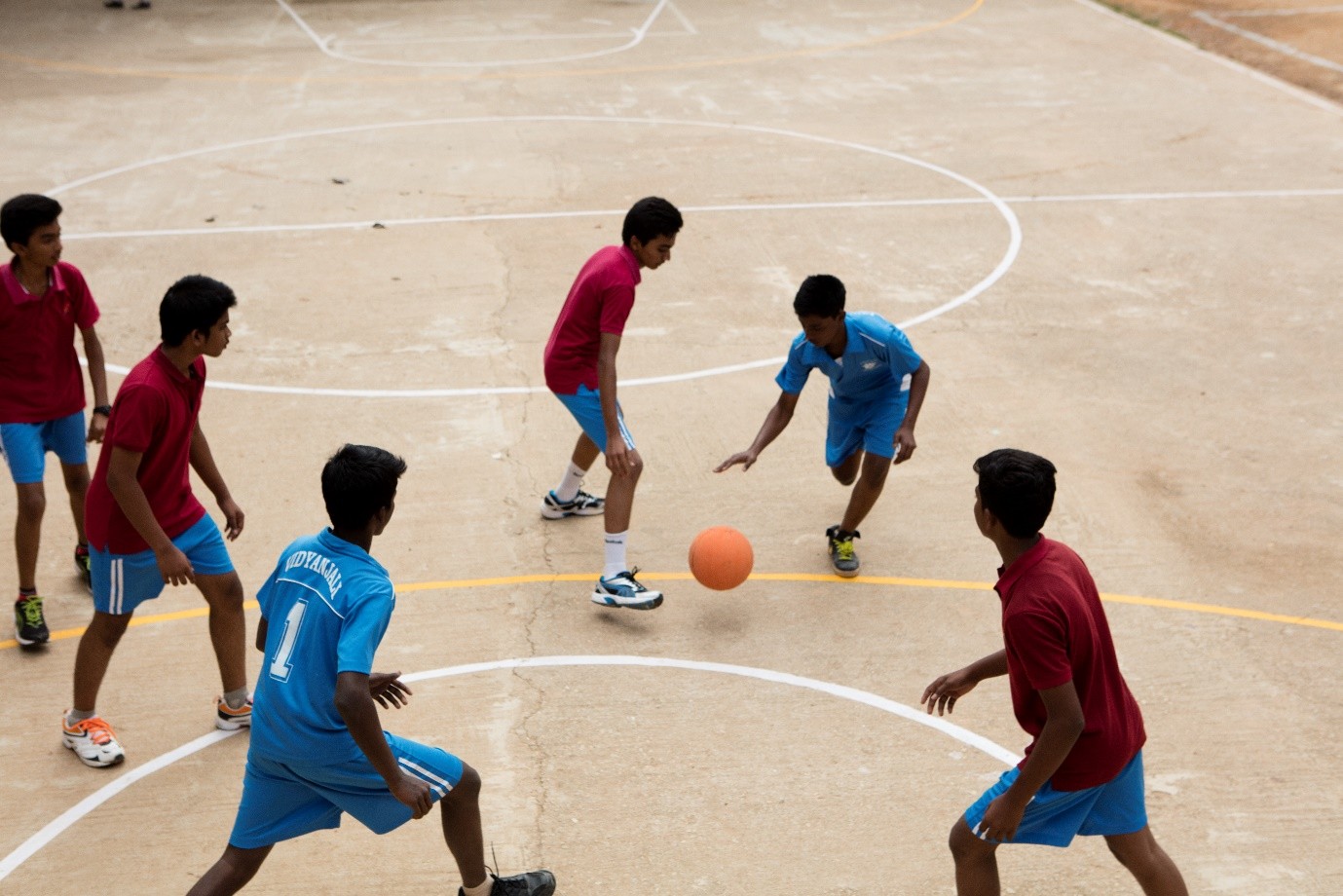
Sports programs are a great way to stay healthy and
happy. They keep your body active and help you feel good mentally. The physical
development of a person is as important as their cognitive and social
development. Whether it be children, adults, or seniors, every person should
participate in physical activities and make an effort to take care of their
health. Sports programs are not only good for physical activity, but they also
improve mental health by reducing stress levels. Participating in sports programs
instills discipline, teamwork, and coordination through both individual and
group sports. Recently, people have started to recognize the benefits of sports
programs. With growing awareness, the need for sports programs that cater to
all ages has grown.
Understanding Sports Programs
Sports programs are structured physical activities in the
form of clubs and communities that improve the physical well-being of a person
and promote discipline while having fun.
Sports programs are divided into many categories based on
skill level and age groups:
School-based programs
These programs are organized by the school for students
to develop physical skills and teach them important life skills like discipline
and teamwork.
A great way to stay active, school-based programs
typically include school sports clubs, Physical Education classes, and
interscholastic sports teams that represent the school in various competitions.
Physical Health Benefits of Sports Programs
● Lowers risk of heart disease: Staying active improves blood circulation
and reduces cholesterol. This can lower blood pressure and reduce the risk of
heart attack and strokes.
● Muscular strength and better endurance: By participating in moderate-intensity
activities regularly, people can build muscular strength and increase overall
endurance.
● Helps in weight management: Staying active and participating in sports
clubs burns calories and improves metabolism, which aids digestion and helps in
weight management.
● Improves bone density: Participating in sports programs can reduce
the loss of bone density and reduce the risk of fractures and bone diseases
like osteoporosis.
● Better Immune System: Regular physical activity through sports
programs can boost immunity and reduce chances of getting sick frequently.
Mental Health Benefits of Sports Programs
● Lower stress levels: Sports programs provide people with an outlet
to release their stress and feel at ease while taking care of their physical
health.
● Better mood: Regular exercise directly affects the overall mood of a
person by increasing serotonin and dopamine levels in the brain.
● Helps in anxiety and depression management: Physical activities like strength training
and aerobics have been proven to help people suffering from mental illness and
improve anxiety and depression.
● Improves cognitive function: Regular physical activities are known to
increase brain volume and improve concentration, memory, and learning.
● Better self-esteem and confidence: People can build a positive self-image
through and gain confidence through regular exercises and achieving their
health goals.
● Social Interaction: Sports programs are a great way to meet new
people and make friends. People can bond with like-minded people and form a
social support system.
Social and Emotional Development
● Teamwork and Cooperation: Sports programs include team sports like
football, volleyball, and cricket, where people learn
to work together and cooperate to win a game.
● Leadership Skills: Sports programs improve leadership skills in a person by
giving them multiple opportunities to lead activities and teams in matches.
● Discipline and Responsibility: Through sports programs, people are able to
become more disciplined and responsible by following rules and taking
directions.
● Resilience and Coping Skills: In sports, players sometimes win, and
sometimes they lose. The loses in a game help build resilience over time and
overcome frustration.
Sports Programs for Different Age Groups
Children and Adolescents
The early years of childhood and adolescence are the peak time for physical and cognitive development. By participating in sports programs, children not only take care of their physical well-being but also teach them important life skills like resilience, leadership, teamwork, and collaboration.
Adults
Adults can be part of sports programs to take care of
their physical health and meet new people. Sports programs provide adults with
an opportunity to improve their mood, reduce stress levels, make new friends,
and be part of a supportive community.
Inclusive Sports Programs
● Adapted Sports: There are many sports programs out there that try to
make physical activities inclusive for people with disabilities. They modify
the rules and equipment of traditional games to make them more accessible for
people with disabilities.
● Gender Inclusivity: Sports programs encourage people of all ages
to engage in physical activity regardless of their gender. They promote a safe
environment where both men and women can participate freely.
● Cultural Sensitivity: Many sports programs go the extra mile to
design programs that are respectful of various cultures and backgrounds.
Implementing Effective Sports Programs
Program Design
Before creating an entire sports program, it is important to plan a well-structured program properly. What activities and sports do you want to include in the program? What age groups will the program cater to? Is the program’s focus on enjoyment and social interaction or tournaments and competitions? All these questions will help in forming a structured sports program.
Safety Measures
Sports
programs need to have safety measures in place to make sure all participants
are safe from harm. It is important to have the required safety gear on hand
during activities. For example, every cyclist must wear a helmet while cycling
to ensure their safety.
Qualified Personnel
Trained
coaches and staff are of great help in improving the skills of participants
safely. Coaches can provide their expert opinions and advice to make sure all
participants of the sports program have successful activity sessions.
Accessibility
Sports
programs should be accessible to everyone regardless of their social, economic,
or cultural backgrounds.
Challenges and Considerations
● Limited resources: Some areas don’t have
enough space for physical activities or enough funds to access sports
equipment, coaching, and other related costs.
● Balancing competition and fun: It is
important that all participants have a good time while maintaining a
competitive spirit.
● Preventing Burnout: Sports programs
should be engaging but not too exhausting to prevent burnout and loss of
motivation.
Sports programs go beyond just physical development, it ensures the balance of fitness and fun to provide a fulfilling experience for all participants. Sports programs have many benefits, like lower stress levels, better immunity, better social interactions, and promote teamwork, leadership, and discipline. People of all ages should join sports programs regardless of their background to lead a healthy and happy life.