


Walk into
Vidyanjali Academy for Learning on any given day, and you’ll hear more than one
language in the corridors, see children preparing for different festivals, and
notice parents and teachers exchanging stories from many parts of India and the
world. That isn’t accidental; it’s a conscious choice.
As a
Montessori and CBSE school in RT Nagar, Vidyanjali welcomes families from
varied linguistic, cultural, and professional backgrounds. Vidyanjali ’s ethos
emphasises nurturing each child as a whole person, in a setting that respects
where they come from and prepares them for the world they will step into.
Celebrating
cultural diversity, for us, is not a one-day event. It is woven into language
learning, assemblies, special days, co-curricular programmes, and parent
engagement. This page gives you a clear, practical view of how that actually
looks at Vidyanjali, and why it matters for your child.
Why is it Important to Celebrate Cultural Diversity in Schools?
Children
don’t just learn from textbooks; they absorb cues about “who belongs” from what
they see, hear, and experience every day. When a school actively celebrates
cultural diversity:
●
Empathy grows. Research shows that meaningful exposure to diverse cultures and
perspectives helps children develop deeper empathy and reduces prejudice over
time.
●
Bias and stereotypes are
addressed early. Multicultural education and
inclusive classroom discussions are linked to lower stereotyping and more
open-minded thinking in later years.
●
Social skills and confidence
improve. Studies highlight that children in
diverse, inclusive classrooms tend to have stronger communication skills,
better teamwork, and greater comfort interacting with people who are different
from them.
At
Vidyanjali, these benefits are intentionally nurtured. When children see their
own language, festival or family story respected on campus, and learn about
others with equal curiosity, they begin to treat diversity as normal and
beautiful, not as “other” or strange.
What are the Types of Cultural Diversity in the Classroom?
In a city
like Bengaluru, and especially in a neighbourhood like RT Nagar, a single
classroom can reflect many kinds of diversity. At Vidyanjali, this shows up in
several ways:
● Linguistic diversity. Vidyanjali follows a
multilingual system where English, Hindi, and Kannada are taught, helping
children move comfortably between languages. At
home, many students speak additional mother tongues, which are acknowledged and
celebrated through language days and storytelling.
●
Cultural and regional
backgrounds. Families bring traditions from across
Karnataka, different Indian states, and in some cases, from other countries.
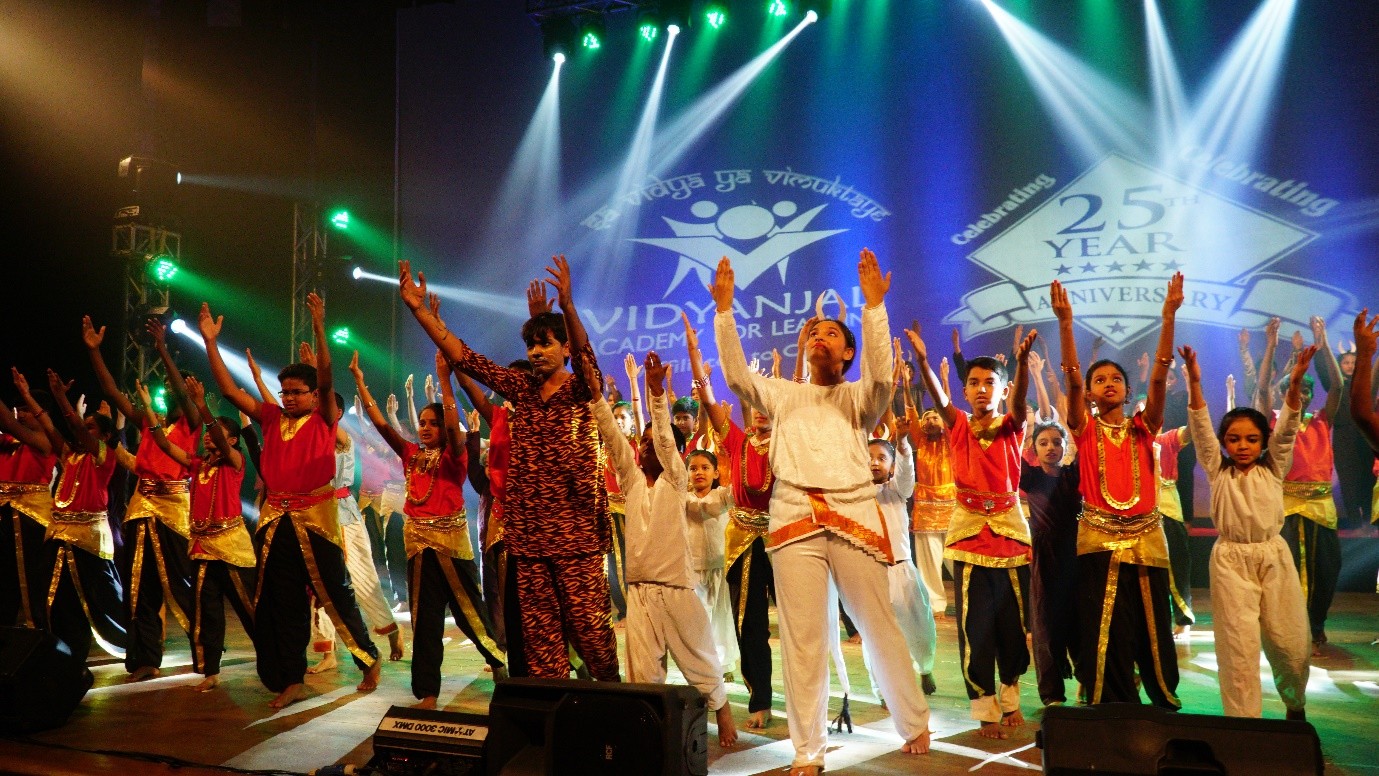
Events such as Talents’ Day, themed “Celebrating the Festivals of India”,
highlight this multiplicity on a single stage.
●
Religious and value
traditions. Through carefully designed assemblies
and celebrations, children see that multiple faiths and value systems can
coexist respectfully within the same community.
●
Neurodiversity and
socio-economic diversity. Inclusive education
research shows that classrooms acknowledging different learning styles,
abilities, and life circumstances foster stronger empathy and reduce bullying.
Vidyanjali’s focus on mentoring, emotional counselling, and learning support
aligns with this inclusive approach.
For
parents, this means your child learns early that “normal” comes in many forms,
language, dress, festivals, abilities, and that each one deserves respect.
How Can You Promote Cultural Diversity in the Classroom?
Teachers
and parents work together at Vidyanjali to ensure diversity is not just
celebrated on stage, but experienced in everyday learning. Three practices are
central:
1. Culturally responsive teaching
Teachers
connect lessons to real cultural contexts that students recognise, festivals,
local stories, regional histories, and current events. For example, when
Vidyanjali organised Talents’ Day with the theme “Festivals of India” for
Montessori Primary, children brought songs, dances, and performances that
reflected their own traditions and learned about others in the process.
2. Multilingual support
Vidyanjali
offers English, Kannada, and Hindi across the grades, helping children build
strong language foundations in more than one tongue. This
is supported by:
● Language development programs are designed to
build speaking, reading, and writing skills through interactive activities.
● Language-focused assemblies, where students
speak in their mother tongue on stage, affirm that every language in the
classroom matters.
● Parent storytelling sessions, where families
share stories in their own languages, allow children to hear familiar sounds
and new ones in a warm, joyful setting.
3. Diverse curriculum resources
Through
storybooks, poems, songs, and classroom activities curated by the teachers,
children encounter characters, settings, and traditions from different
cultures. This approach is supported by Vidyanjali’s emphasis on a nurturing
Montessori environment in the early years, where hands-on, story-rich learning
is central.
Parents
see the effect of this at home, children begin to ask thoughtful questions,
show curiosity about others’ customs, and talk proudly about their own.
How Does Vidyanjali Academy Promote Cultural Diversity?
Cultural
diversity is embedded in Vidyanjali’s philosophy and school life, rather than
treated as a side activity. A few key pillars stand out:
1. A clear, child-centred ethos
Vidyanjali’s
aims and ethos emphasise holistic development, academic, emotional, social, and
ethical, within a nurturing, respectful environment. That
naturally includes teaching children to value different cultures, backgrounds,
and perspectives as part of becoming responsible citizens.
2. Multilingual education and language initiatives
From the
primary years onward, students learn English, Hindi, and Kannada, reflecting
both national requirements and the local cultural context. Vidyanjali strengthens this with:
●
Language development
programs are tailored to build confidence in
reading, writing, and speaking.
●
Language-rich events like International Mother Language Day celebrations, where children
speak in their home languages and recognise the richness of linguistic
diversity around them.
3. Festival and culture-focused events
Vidyanjali
designs events that honour both local and national culture, while inviting
children to see the links between them:
● Talents’ Day – where Montessori Primary
students showcased performances inspired by different festivals and traditions.
●
Kannada Rajyotsava, an annual celebration highlighting Kannada language, literature,
and culture, is often described by the Director as a way to deepen children’s
connection to their regional heritage.
●
Themed assemblies and days, such as World Environment Day, which connect global concerns with
local actions and values, help children see themselves as part of a wider world
community.
4. Parent partnerships that respect diverse families
Vidyanjali’s
Parent Empowerment Day and Parent Engagement Conference are not just
information sessions; they are spaces where Vidyanjali works with families from
diverse backgrounds to understand their needs and perspectives.
Workshops
and talks help parents support their children in inclusive, respectful ways at
home and reinforce the same values the child experiences at school. For many
families, this alignment between home and school is one of the reasons they
choose Vidyanjali.
5. Exposure to global perspectives
Vidyanjali
has hosted regular teacher training and external workshops for faculty that
brought educators from countries such as the Philippines, Thailand, and
Singapore to the campus. Experiences like these enrich the professional
learning of Vidyanjali teachers, which in turn brings more global perspectives,
examples, and stories into your child’s classroom.
What Cultural and Language Immersion Programs Does Vidyanjali Academy Offer?
While
Vidyanjali is a day school rooted in Bengaluru, many of its programmes function
as “immersion” experiences for children:
●
Daily multilingual learning in English, Hindi, and Kannada, supported by a structured language
development curriculum.
●
Thematic celebrations such as Talents’ Day – “Festivals of India”, where children
rehearse, perform, and reflect on different festivals and traditions over
several days or weeks.
●
Storytelling and reading
initiatives with parents and teachers, which
immerse children in the sounds, images, and values of multiple cultures and
languages.
Together,
these experiences allow students to “live” diversity in the classroom, rather
than only reading about it in a chapter.
What Events and Community Activities Promote Cultural Diversity?
At
Vidyanjali, several recurring events help children and families experience
diversity as a joyful, shared reality:
● Talents’ Day – Festivals of India
A vibrant
platform where children present songs, dances, and performances inspired by
different Indian festivals and traditions, helping them appreciate the variety
within our own country.
● Language-focused assemblies
Events like the
International Mother Language Day assembly encourage students to speak, recite,
or present in their mother tongues, reinforcing pride in linguistic identity.
● Regional culture celebrations
Kannada
Rajyotsava and the annual “Sahitya Saurabhi” event honour Karnataka’s language
and literary heritage, giving children a deep sense of belonging to the state
they grow up in.
● Whole-school special days
Global observances such as World
Environment Day are celebrated in age-appropriate ways, linking environmental
responsibility with shared human values and community action.
● Parent Empowerment Day & community programmes
By regularly
engaging parents through structured events and workshops, Vidyanjali builds a
community where diverse family backgrounds are recognised and included in the
conversation about children’s growth.
These
activities ensure that diversity is always tied to real experiences, songs,
stories, performances, projects, and shared celebrations.
How Does Vidyanjali Engage in Global and Cross-Cultural Initiatives?
Vidyanjali’s
focus on cultural diversity is not limited to Indian contexts. Vidyanjali :
●
Participates in
international teacher training collaborations,
hosting educators from countries like the Philippines, Thailand, and Singapore,
which brings fresh pedagogical and cultural perspectives into the classrooms.
●
Shares its work through
newsletters, blogs, and “Vidyanjali’s Bugle”,
highlighting events and student initiatives that resonate with global themes
such as environment, peace and social responsibility.
For
students, this translates into a school environment where they hear stories,
examples, and ideas from beyond India, encouraging them to think as global
citizens while staying rooted in their own culture.
FAQs on Celebrating Cultural Diversity
What are some examples of cultural diversity activities in schools?
At
Vidyanjali, examples include:
● Talents’ Day themed around “Festivals of India”
● International Mother Language Day assemblies
● Kannada Rajyotsava and Sahitya Saurabhi celebrations
● Storytelling sessions led by parents in different languages
● Themed class activities and projects around national and global days
Each of
these is designed so your child doesn’t just watch a programme, they
participate, perform, reflect, and discuss.
How does celebrating diversity benefit students?
Research
and classroom experience both show that culturally rich school environments:
● Build empathy and reduce prejudice
● Improve communication and teamwork skills
● Prepare children for a global, multicultural world
● Strengthen their sense of identity and belonging
For your
child at Vidyanjali, this means growing up confident in who they are, yet
comfortable and respectful with those who are different.
What is the Bhartiya Bhasha Summer Camp?
Bhartiya
Bhasha Summer Camp is a national initiative conducted under the Ministry of
Education’s programme for government schools. It encourages children to learn
and appreciate Indian languages through themed activities, such as local
cuisines, storytelling, and cultural sessions, over several days.
While
this government programme is separate from Vidyanjali Academy for Learning, its
spirit, celebrating Indian languages and cultures, is closely aligned with what
Vidyanjali already does through its multilingual curriculum, language
development programs, and language-focused events on campus.
What is Peace Tree Day, and how is it celebrated in schools?
Peace
Tree Day is an international festival founded by educator and filmmaker Mitra
Sen. It invites children and families from all cultures and faiths to create
“Peace Trees” decorated with symbols from different traditions, and to
celebrate peace and diversity together through art, music, food, and
collaborative activities.
Many
schools around the world use Peace Tree Day ideas, such as shared cultural
performances, peace messages, and mixed-culture celebrations, to help children
experience “unity in diversity”. At Vidyanjali, the same philosophy is
reflected in how festivals, language days, and whole-school events are
designed: every child’s identity is honoured, and children learn that peace and
respect grow when we celebrate one another’s cultures with curiosity and joy.