
When you think about your child’s school day, it's natural to
concentrate on reading and writing. But what about the time they spend running,
jumping, and playing games in PE? That time is more important than you might realize.
Physical education at primary school is more than just a break from
academics. It has a significant impact on your child's development. PE helps to
strengthen bodies, improve mental focus, and teach important social skills such
as teamwork and patience.
At Vidyanjali Academy for Learning, we believe that learning takes
many forms, including movement. Let us look at why physical education deserves
equal attention as any other subject.
What Is Physical Education in Primary Schools?
Physical Education (PE) in primary schools is a structured program
that helps children stay active while developing motor skills, coordination,
and healthy habits.
CBSE and ICSE Curriculum Approach
Both CBSE and ICSE recognize PE as a core part of the school
experience. Here's how each board integrates it:
●
CBSE follows the guidelines of
the National Curriculum Framework (NCF), which treats PE as essential for
holistic development. The curriculum includes activities that teach fundamental
movement patterns, team games, yoga, fitness drills, and age-appropriate sports.
●
PE is one of ICSE's
co-curricular activities, with a focus on physical fitness, skill development,
and sportsmanship. Students are encouraged to participate in structured
exercises, learn the fundamentals of sports, and understand the value of
regular physical activity.
Both boards aim to lay a solid foundation for movement and body
control while encouraging teamwork and discipline.
Connection with Physical Development Milestones
Primary school (ages 6–12) is critical for physical development.
During this period, children are expected to achieve key milestones such as:
●
Improved balance and
coordination.
●
Improved hand-eye and foot-eye
coordination.
●
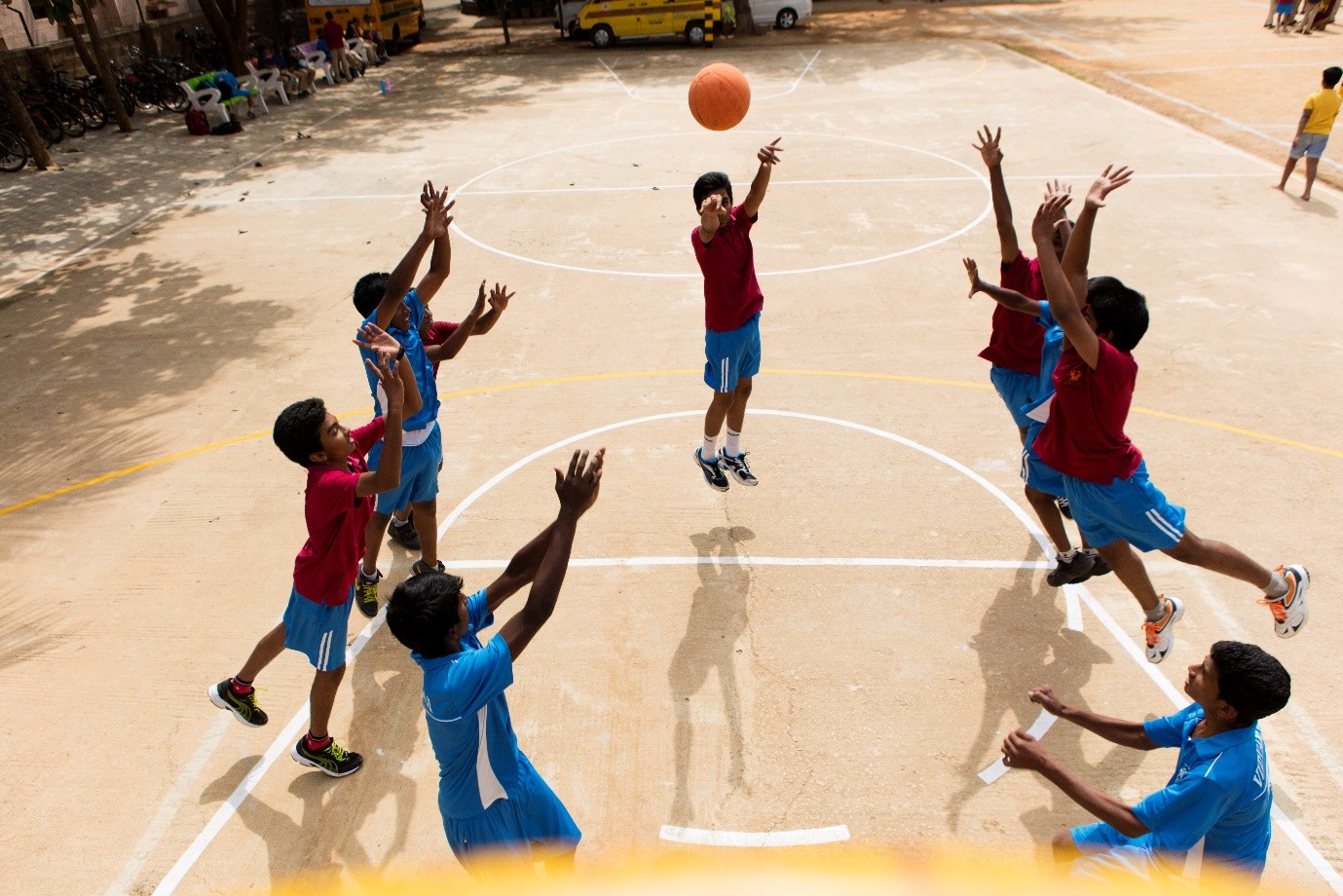
Mastery of basic motor skills
(running, jumping, throwing, catching).
●
Increased endurance and muscle
strength
Physical education classes help children
achieve these goals by providing them with regular opportunities to move around
and practice these skills in a structured setting. If children do not
participate in structured physical activity, they may miss out on learning
these skills at the appropriate time.
Why is Physical Education Important at a Young Age?
Children grow rapidly between the ages of 6 and 12. Early physical
activity promotes growth in three key areas: cognitive, physical, and
emotional.
1. Cognitive Development
Physical activity helps the brain function better. When children
exercise, their brains receive more oxygen, which improves:
●
Focus and attention span
●
Memory and problem-solving
abilities
●
Classroom behaviour and
learning speed
2. Physical Development
The early years are critical for developing strength, balance, and
coordination. Through physical education, children:
●
Improve motor skills such as
running, jumping, and catching.
●
Develop stronger muscles and
bones.
●
Improve your posture and
flexibility.
●
Learn to control their bodily
movements.
This physical development also helps to prevent delays in movement
skills and lays the groundwork for more complex sports or activities later on.
3. Emotional Growth
Physical education promotes emotional well-being. Active Play:
●
Reduces stress and anxiety.
●
Helps children manage their
emotions better.
●
Increases self-confidence
through achievement and participation.
●
Teaches patience, discipline,
and how to deal with both wins and losses.
Children who feel good physically are more likely to feel good
emotionally and socially.
How Can Physical Education Help a Child's Overall Development?
PE promotes holistic development, which means it helps a child grow
in all areas of life, not just physically.
Key areas for growth:
●
Mental Health: Regular activity reduces stress and helps children stay calm and
focused.
●
Physical fitness: PE improves endurance, strength, and flexibility.
●
Social Skills: Group games teach students how to work together, share space, and
follow rules.
This balanced development enables children to succeed not only in
physical education but in life.
What Are the Primary Benefits of Physical Education for Primary School Students?
Physical education gives young students the following direct
benefits:
●
Helps you focus better and do
better in school. Students who are active often do better in maths and reading.
●
Regular exercise helps you keep
your weight under control and lowers your risk of getting diseases that are
common in older people.
●
Boosts self-esteem: Kids feel
better about themselves when they get better at things and do things with other
kids.
How Does Physical Activity Improve Mental and Emotional Well-Being?
According to the World Health Organisation (WHO), children
should engage in at least 60 minutes of moderate-to-vigorous activity per day.
This level of physical activity can help reduce anxiety and depression
symptoms.
●
UNICEF also emphasises that
physical play boosts emotional regulation and resilience.
●
Active children are more likely
to experience lower stress and improved mood stability.
When children move, their brains produce chemicals that cause them
to feel happy and alert.
What Role Does Physical Education Play in Developing Social Skills?
Physical education classes allow children to interact with one
another in a healthy manner.
The following key social skills were developed:
●
Teamwork: Working with peers to
achieve a common goal.
●
Empathy involves understanding
and supporting teammates.
●
Communication: Learning to
express and listen clearly.
These skills are part of life skills education, which prepares
children for real-world situations.
What Are the Long-Term Benefits of Physical Education?
Good habits are formed from an early age.
Some of the benefits of physical education are as follows:
●
Incorporating physical activity
into a child's daily routine can lead to lifelong fitness habits.
●
Chronic diseases like diabetes
and heart disease are less likely.
● Sports teach kids how to deal with wins, losses, and problems, which improves their self-control and toughness.
What Should an Ideal Physical Education Curriculum for Primary Students Include?
A strong PE curriculum for young students should include:
●
Age-appropriate activities:
Simple movement for Class 1; skill development for older students.
●
Balance of structured games and
free play.
●
Integration with Health
Education: Teach the importance of posture, hydration, and rest.
The goal is to help children enjoy physical activity while learning
useful habits.
How Can Parents Encourage Physical Education at Home?
Parents play an important role in encouraging
their children to participate in physical activities outside of school.
Try these ideas:
●
Plan for 30-60 minutes of
outdoor play each day, and set family rules to limit screen time.
●
Encourage physical activities
like cycling, dancing, and swimming.
●
Children enjoy it when their
parents join in!
What
Makes Vidyanjali Academy for Learning the Best School for Physical and Holistic
Education?
At Vidyanjali Academy for Learning, we understand that education is
about more than just academics.
Here's what separates us.
●
A well-planned physical
education curriculum that emphasises movement, fitness, and life skills.
●
Experienced instructors with
expertise in child-friendly physical education.
●
Modern sports facilities, safe
playgrounds, and regular fitness assessments
●
A long history of student
participation in interscholastic, state, and national sports events
We believe in helping each student develop his or her mind, body,
and character. Join Vidyanjali Academy, where physical education
is an essential component of every child's learning experience. Contact us or
schedule a visit to learn how we support holistic development beginning in
first grade.