


Choosing
the right school for your child is about more than just academics; it's about
understanding how your child will learn, grow, and develop into a confident,
curious thinker. A school's curriculum plays a key role in shaping not just
what children study, but how they think, solve problems, and engage with the
world around them.
At
Vidyanjali Academy, the curriculum is clear and well-structured. It mixes
strong basics with room for students to explore ideas on their own. The school
uses both the CBSE framework and the Montessori methods. This keeps learning
organised but also focused on your child’s needs.
You’ll
see how Vidyanjali Academy puts these ideas into practice and supports students
in all areas, academics, friendships, and emotional well-being. If you’re just
starting your search or looking to compare schools, this guide will help you
choose with more clarity and confidence.
What Exactly Is a School Curriculum?
The
curriculum shapes how your child learns, thinks, and grows. It’s more than just
what subjects they study. It includes the ideas they explore, the skills they
build, and the habits they form over time. Learning doesn’t only happen through
books. Your child learns in two ways. One is academic, like reading, writing,
and math. The other is social and emotional, how they handle problems, follow
rules, and interact with others. A good curriculum helps with both.
Most
schools follow a board like CBSE or IB. At Vidyanjali Academy, this is blended
with Montessori methods. That means your child gets structure along with the
space to explore and think for themselves.
Why Is It Important to Evaluate a School's Curriculum and Teaching Methods?
When a
school has a well-planned curriculum and teaches it properly, students grow
faster. They also feel more confident and learn how to think clearly. So when
you're choosing a school, don’t just ask what your child is studying. Ask how
they’re being taught, because this determines how well your child will learn.
What Are the Most Common Teaching Methods Used in Schools?
How
children learn matters just as much as what they learn. Let’s look at some of
the most common teaching methods schools use today and how each one supports
different types of learners.
1. Direct Instruction
In this
method, the teacher leads the class with clear steps, explanations, and plenty
of practice. It’s great for younger students who need structure and repetition.
If your child learns well by listening or needs help building basic skills,
this method can work well.
2. Inquiry-Based Learning
Here,
students ask questions, explore issues, and try to find answers on their own.
It helps them become more curious and think for themselves. This approach fits
well with older primary students who are starting to think more independently.
3. Project-Based Learning
Students
work on long-term projects that often mix different subjects. They solve
problems, build things, or create something new. This method teaches teamwork
and creative thinking. It’s a good fit for students who enjoy learning by
doing.
4. Flipped Classroom
Students
study the main material at home through short videos or reading. In class, they
ask questions and apply what they’ve learned. This method supports students who
like working on their own first and need more time in class to talk things
through. It’s usually better for upper primary or middle school students.
5. Differentiated Instruction
In this
method, teachers adjust how they teach based on each student’s level,
interests, and learning needs. It’s helpful in classrooms where students are at
different stages. If your child needs extra support or is ahead of the class,
this approach makes sure they don’t get left behind or held back.
6. Experiential Learning
Students
learn by doing things, like experiments, fieldwork, or role play. This makes
abstract ideas easier to understand. It’s especially helpful for younger
students who learn best through hands-on activities.
What Should You Look for in a School’s Curriculum?
A
school’s curriculum does more than cover subjects; it shapes how your child
thinks, learns, and connects with the world. At Vidyanjali Academy, the
curriculum blends structure with curiosity and balances global relevance with
local values.
1. Alignment with Recognised
Standards
Vidyanjali
follows a dual-pathway model: Montessori in the early years and CBSE in the
later stages. This approach encourages independent thinking while building a
solid academic base. It also ensures your child can move seamlessly between
national and international systems if needed.
2. Cultural Relevance in
Learning
Here,
learning goes beyond textbooks. Students explore local traditions, global
themes, and real-world topics. They learn to question assumptions, understand
different perspectives, and stay rooted in their own identity while becoming
more open-minded.
3. A Curriculum with Both Range
and Depth
Children
get exposure to a wide variety of subjects early on, science, art, language,
and more. As they grow, they’re encouraged to go deeper into areas they enjoy.
Interdisciplinary learning is built in, helping them connect ideas and
understand the world in a more complete way.
4. Clear and Growth-Focused
Learning Goals
The
curriculum follows a competency-based model. Learning outcomes are well-defined
and matched to each child’s pace. Teachers use ongoing feedback to guide
progress, not with pressure, but with purpose. This keeps learning focused,
steady, and meaningful.
How Can You Assess the Effectiveness of Teaching Methods?
Good
teaching isn’t just about finishing the syllabus. It’s about helping students
learn in ways that stay with them. At Vidyanjali Academy, the focus is always
on what helps your child learn best and understanding why it works.
1.
Student Engagement in Learning
Pay
attention to whether students are asking questions, talking to each other, and
working in groups. At Vidyanjali, you’ll see kids doing more than just
listening. They take part in discussions, group tasks, and projects. This kind
of learning sticks because it’s active and hands-on.
2.
Teaching Methods that Support All
Learners
Every
child learns differently, and Vidyanjali respects that. Teachers use different
techniques like scaffolding, step-by-step instruction, and tools that engage
the senses. These make sure every student, regardless of learning style, gets
the support they need.
3.
A Learning Environment That
Supports Growth
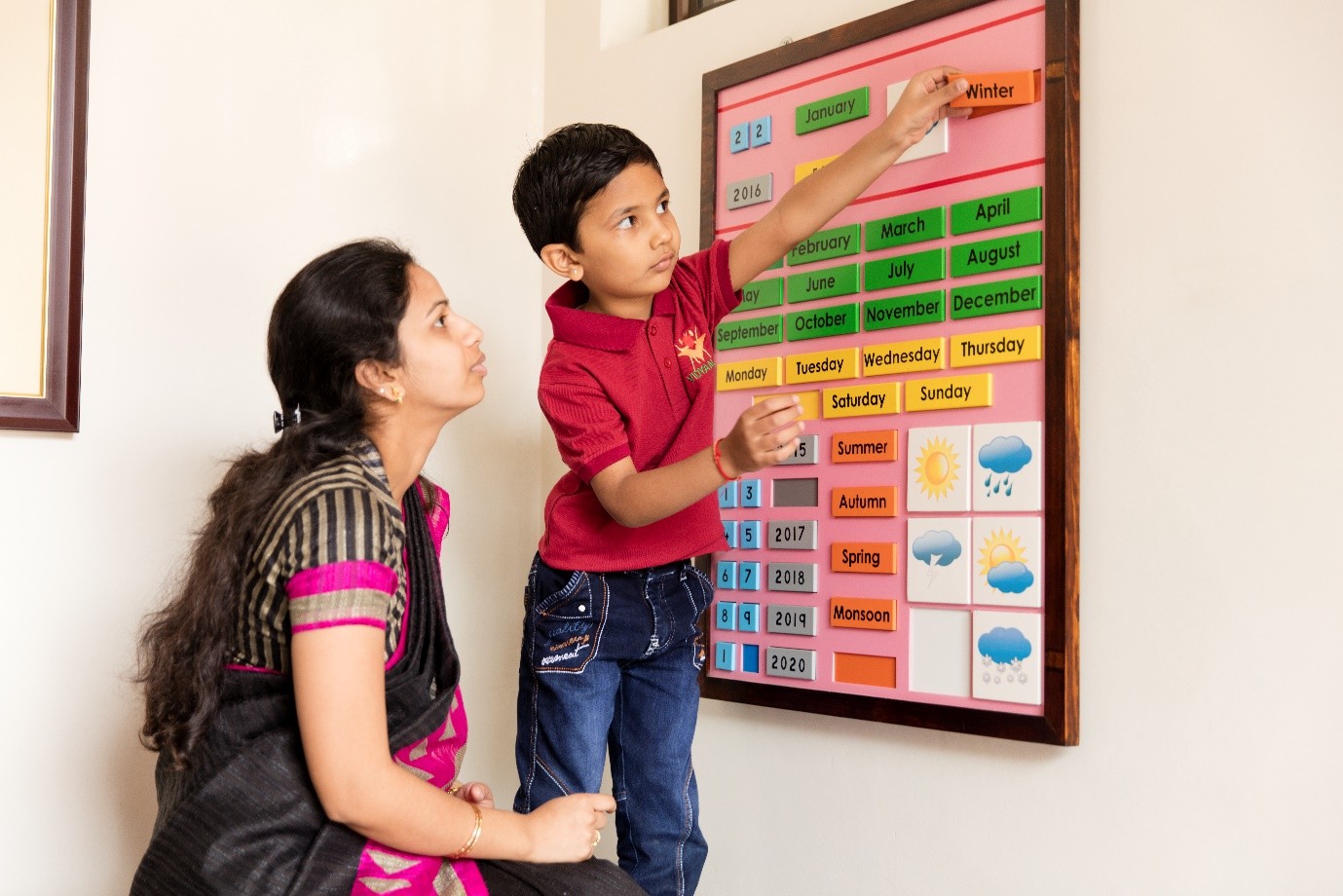
The way a
classroom is set up can affect how students learn. Vidyanjali keeps classrooms
open, flexible, and easy to move around in. Materials are easy to reach. The
small class size and calm environment help students feel safe and focused.
4.
Skilled Teachers Committed to
Growth
At
Vidyanjali, all teachers are qualified. But more importantly, they keep
learning too. They attend workshops, get regular feedback, and learn from each
other. This helps them stay sharp and meet the needs of every student.
5.
Measuring What Matters in Teaching
and Learning
The
school doesn’t rely on one test to measure progress. It uses rubrics, regular
check-ins, tests, surveys, and classroom visits. These tools help teachers
understand what’s working and what needs to change. They use this feedback to
improve learning every day.
6.
Warning Signs of Ineffective
Teaching
If you
see students just memorising facts, not asking questions, or tuning out, it’s a
problem. At Vidyanjali, teaching adapts to students. There’s no room for stale
methods. A strong classroom keeps evolving, just like the students in it.
What Checklist Can You Use to Evaluate a School’s Curriculum and Teaching Methods?
A
school’s curriculum should do more than tick boxes. It should help your child
think clearly, learn deeply, and grow with confidence. Here’s how you can check
if a school’s teaching approach supports real, long-term development.
1. Does the School Follow a Clear Educational Approach?
A good
school doesn’t just follow a syllabus—it follows a clear philosophy. For
example, Vidyanjali Academy uses the Montessori method. This means they focus
on independence, hands-on work, and active learning instead of passive
instruction. Ask the school what method they follow and how it shapes their
everyday teaching.
2. Does the Curriculum Support Deep Learning?
Children
need time to understand core concepts. Ask how the school handles this. Do
students get enough time to learn key skills? Can they revisit lessons when
needed? At Vidyanjali, mixed-age classrooms support this naturally, giving
students more chances to build a strong foundation over time.
3. How Are Lessons Taught?
Try to
observe a class or ask about the teaching style. You can use questions like:
●
Do teachers guide students
instead of just lecturing?
●
Are students using hands-on
tools to learn?
●
Is screen time used wisely, or
just to fill time?
At
Vidyanjali, lessons focus on active learning. Students work with real materials
instead of just filling out worksheets.
4. Is Learning Based on Each Child’s Pace?
Not every
child learns the same way or at the same speed. A strong program makes room for
both slow and fast learners. At Vidyanjali, children move through topics at
their own pace. Teachers offer support based on where each child stands, not
where the group is.
Choosing a School That Matches Your Child’s Learning Needs
Choosing
a school is about how the school teaches, supports, and grows with your child.
At Vidyanjali Academy, the teaching approach blends Montessori and CBSE
methods. This creates a space that’s both structured and adaptable. The school
uses different methods—like direct lessons, projects, and hands-on
activities—based on how students learn best. The goal is to build strong basics
while also encouraging curiosity.
More than
anything, Vidyanjali focuses on keeping students engaged. It respects that
every child learns differently. Teachers here track progress regularly and
adjust their methods when needed. The classrooms support growth, not pressure.
So when
you’re choosing a school, don’t stop at academics. Ask how they teach. Ask how
they handle different learning styles. That’s what really shapes your child’s
experience.