
Every
parent wants their child to grow into a confident, capable, and kind human
being. But so much of that journey begins at school, not just in how they learn
to read or count, but in how they think, express, and feel. Choosing a school,
then, isn't just about academics. It's about finding a place that respects your
child’s individuality, helps them fall in love with learning, and builds the
kind of foundation that lasts for life.
At
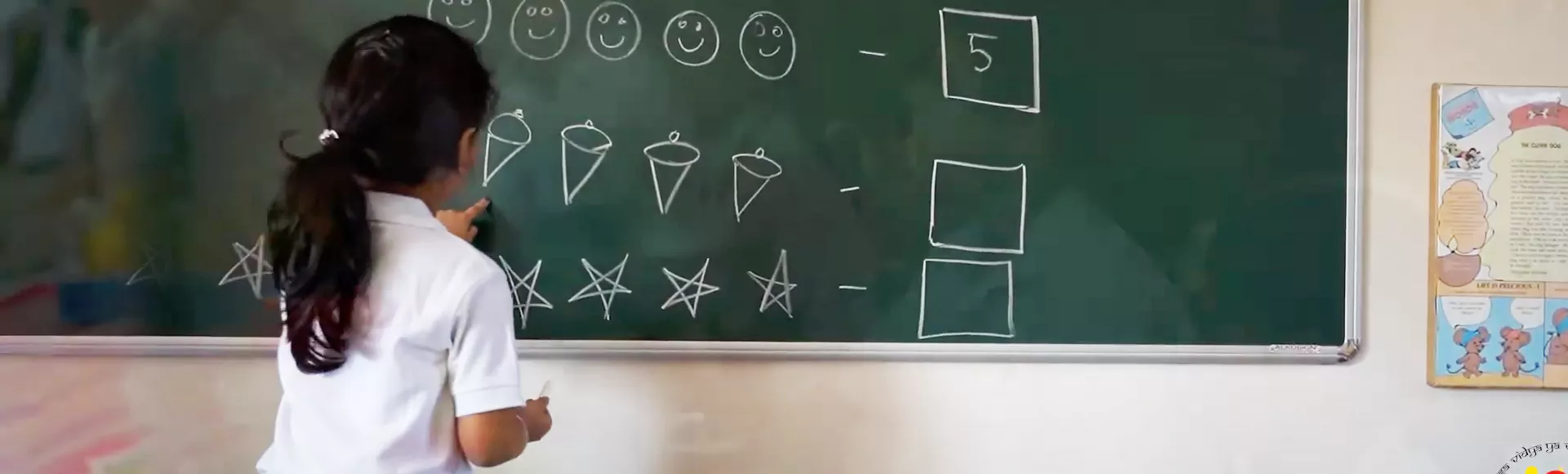
Vidyanjali Academy, education is deeply personal. Classrooms are calm,
inviting, and built around the Montessori belief that children thrive when
given freedom within structure. Teachers act more like guides than instructors,
encouraging self-driven curiosity rather than rote answers. If you're wondering
what to look for in a school, this is where the answer begins.
What Types of Schools Can You Choose From?
Choosing
a school for your child is a big decision. To make the right choice, it helps
to know the different types of schools and what each one offers. Let’s look at
the types of schools you can choose from:
1. Public Schools
The
government funds public schools, and they’re free and open to all children in
the area. These schools follow state and national education boards. You’ll
often find a diverse mix of students. But class sizes can be large, and the
curriculum is usually fixed.
2. Private Schools
Private
schools don’t rely on government money. They may offer more activities and a
focused learning environment. But the fees can be high, which may limit who can
attend. Many private schools also get accredited to show they meet good
academic standards.
3. Charter Schools
Charter
schools get public funding but have more freedom to design their programs. They
use new teaching methods and run under performance contracts. Anyone can apply,
but spots can be limited and may use a lottery system.
4. Magnet Schools
Magnet
schools are public schools that focus on a theme, like science, the arts, or
the humanities. They accept students based on interest, not just location. They
often have better resources and expert teachers. They follow public school
rules and often exceed them in specific areas.
5. Montessori Schools
Montessori
schools let children learn through hands-on activities at their own pace. At
Vidyanjali Academy, our Montessori Pre-primary program is IMC-recognised and
NABET-accredited, and we follow the CBSE board. Montessori is a great fit if
you want your child to build confidence and think deeply from an early age.
6. Waldorf Schools
Waldorf
schools use a creative, slow-paced learning style based on Rudolf Steiner’s
philosophy. Kids learn through stories, art, and movement instead of early
academic pressure. Waldorf schools are fewer in number and follow their
standards under the Waldorf associations.
7. Religious Schools
Religious
schools combine academics with faith-based learning. Families who want their
child to grow up with strong moral and spiritual values often choose this
option. Most follow standard education boards, along with religious guidelines.
Local or regional considerations
●
School zoning decides which schools your
address is eligible for.
●
Districts differ in academic quality and
resources.
●
Local residents may get priority in
public school admissions.
●
Long commutes can impact energy and
daily routine.
●
Instruction language varies by region,
check for alignment.
●
Local culture often influences the
school environment.
How Important Is a School’s Academic Performance and Curriculum?
At
Vidyanjali Academy, students consistently exceed national and Karnataka state
benchmarks. The Montessori foundation builds strong early skills. Parents
regularly report that their children not only meet but surpass grade-level
expectations.
Montessori Program (Ages 2½–12):
Here, your child learns through hands-on activities. They explore practical life skills, sensorial work, math, language, cultural studies, and something called Cosmic Education. These methods help build strong thinking skills, independence, and a real understanding of ideas.CBSE Program (After Age 12):
When your child moves to the CBSE stream, they continue learning core subjects like math, science, and languages. But now, they approach them with the problem-solving and analytical mindset they’ve built in their earlier years.Most
schools follow just one method. Vidyanjali Academy combines both. This means
your child gets the freedom and depth of Montessori early on, along with the
structure and goals of CBSE later.
How Can You Evaluate the Quality of Teachers and Staff?
Teachers
shape how your child learns, grows, and feels about school. So when choosing a
school, focus on these four key areas. Here’s how Vidyanjali Academy delivers
on each front:
1. Teacher qualifications and
certifications
All lead
guides at Vidyanjali Academy hold recognised Montessori diplomas (AMI, IMTC,
IIMS) and many have formal degrees in education. The school also runs its own
Montessori Training Institute to ensure every teacher is trained in-house to
the highest standards.
2. Experience, tenure, and
student feedback
Teachers
at Vidyanjali Academy stay long-term, creating stable relationships in the
classroom. Regular feedback from students and parents helps the school refine
teaching methods and address individual learning needs early.
3. Availability of support staff
The
school offers a full ecosystem of support: trained Montessori aides, in-house
counselors, and dedicated specialists for art and PE.
4. Student-teacher ratio
Small
class sizes and mixed-age Montessori groups mean each child gets focused,
personalized guidance. Teachers have the time and space to observe, support,
and challenge students at their own pace.
What Should You Know About the School Culture and Environment?
When
you're picking a school, the atmosphere inside and the setup outside both
matter. At Vidyanjali Academy, your child gets a caring space to grow, and you
get practical benefits:
1.
Respectful Discipline, Real Safety
Discipline
here isn’t about fear. It’s about helping kids build self-control through calm,
Montessori-style guidance. The school welcomes students from all walks of life
with trained staff, secure access, and emergency plans in place.
2.
Everyday Emotional Support
Kids
learn emotional skills as part of their routine. Activities like mindfulness,
stories, and group talks help them understand their feelings, show empathy, and
feel more confident.
3.
No Tolerance for Bullying
Teachers
watch social dynamics closely and step in early. Children are taught to speak
respectfully, solve problems calmly, and listen to one another, so they always
feel safe and supported.
4.
Involvement That Builds Confidence
Whether
it's a class project or a sports event, kids are encouraged to take part and
take charge. They get chances to lead, team up with peers, and explore their
strengths beyond books.
5.
Transport That Makes Sense
School
buses run on time, follow planned routes, and focus on safety, so drop-offs and
pickups don’t add to your stress.
What Should You Think About Before Choosing a School?
Academics
matter. But so do practical things that affect your child’s daily life and
yours. At Vidyanjali Academy, these basics aren’t an afterthought. The school
focuses on your child’s comfort, your peace of mind, and how both come together
to support learning.
1. Facilities That Actually
Support Learning
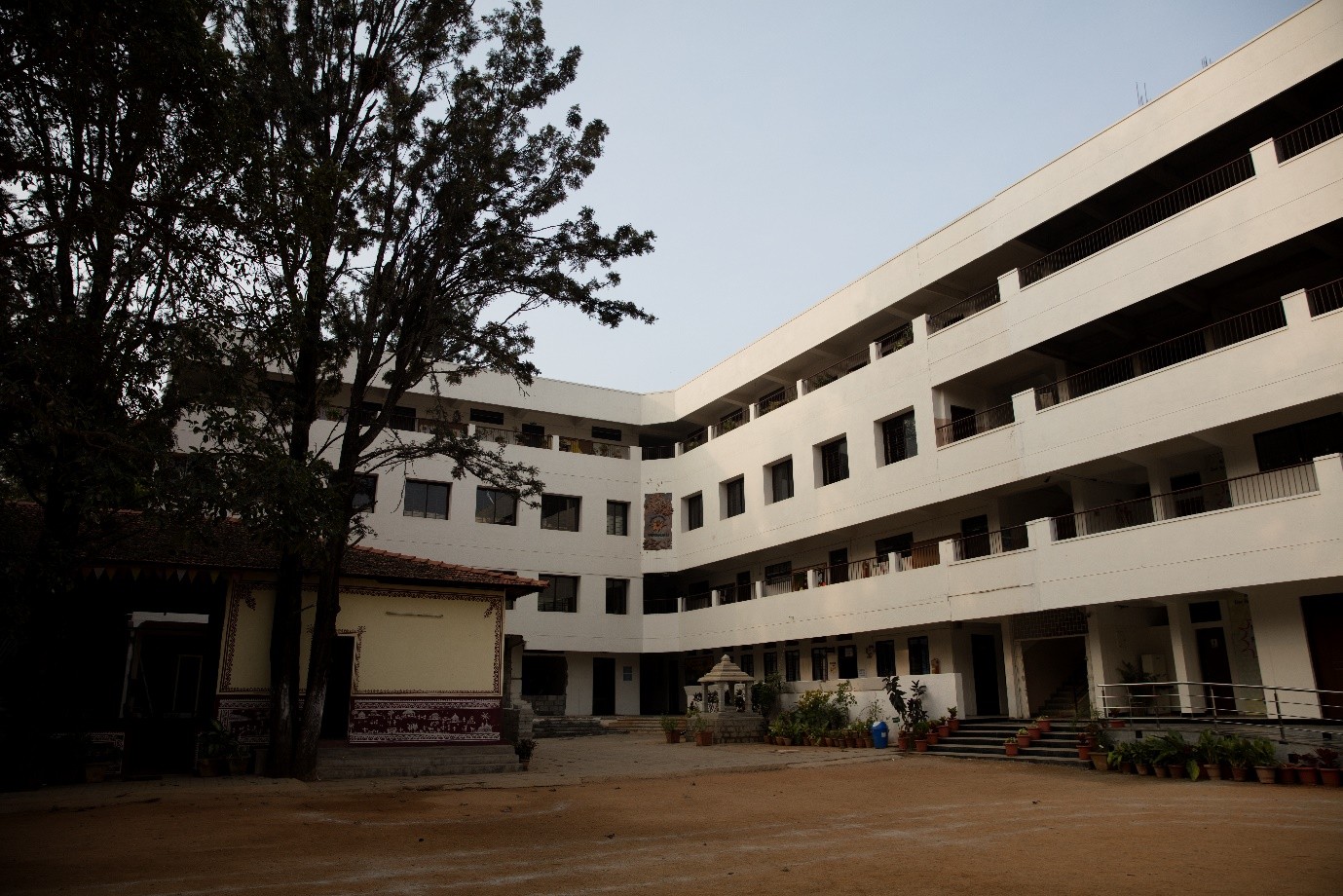
Vidyanjali
Academy has all the key resources your child needs to grow. The library and
science labs are well-equipped and used regularly. Kids get to move and explore
with access to sports grounds.
2. How Much Does the School Cost
and Is It Affordable
The fee
structure is clear. It covers tuition. Extra costs like trips are always
communicated early, so nothing catches you off guard.
3. Getting Involved in the
School Community
At
Vidyanjali Academy, parents don’t stay on the sidelines. You’ll be involved
through Parent Engagement conference, Parent Involvement program, parent
participating program with the school team. You’ll get updates often via
circulars. The community here is friendly, open, and committed to helping every
child grow.
How Do You Evaluate and Compare Schools?
Choosing
the right school means more than comparing brochures or scrolling through
photos online. It involves structured evaluation, careful observation, and a
clear sense of what truly matters to your family.
1. Create a Simple Decision
Checklist
Start by
listing the key factors important to you, academic philosophy, emotional
support systems, extracurricular variety, infrastructure, and communication
practices. Use a checklist or spreadsheet to score each school based on how
well they meet these criteria.
2. Visit in Person and Attend
Open Houses
A school
tour offers more insight than any website ever could. Observe how teachers
interact with students, how classrooms are maintained, and how children behave
during transitions.
3. Read Parent Testimonials and
Alumni Reviews
First-hand
experiences from parents and former students can reveal things that aren't
visible during a tour. Look for patterns, consistent praise or recurring
concerns, that offer deeper insight into the school’s values and day-to-day
functioning.
Watch Out for These Red Flags
Keep an
eye out for these signs, they can point to deeper problems that may affect your
child’s experience.
●
Staff keeps changing – High turnover may
signal poor leadership or low staff morale.
●
Teachers lack training – Unqualified
teachers directly affect learning quality.
●
Old teaching methods – A stale
curriculum means kids miss out on real-world skills.
●
Dirty or unsafe campus – Poor upkeep
shows a lack of basic responsibility.
●
No clear answers from staff – Vague
responses often hide deeper issues.
●
Disengaged students – Low energy or
boredom reflects a poor school culture.
Making the Best School Choice for Long-Term Growth
Choosing
a school is about more than academics; it's about shaping how your child
thinks, feels, and grows. That’s why it’s important to look beyond rankings and
assess the teaching approach, staff quality, emotional support, and overall
environment.
At Vidyanjali Academy, your child benefits from a rare blend of Montessori freedom and CBSE structure. As you explore options, visit schools, speak to teachers, and listen to real parent experiences. The right school sees your child as a whole person, not just a student, and builds confidence, curiosity, and a lifelong love for learning.