


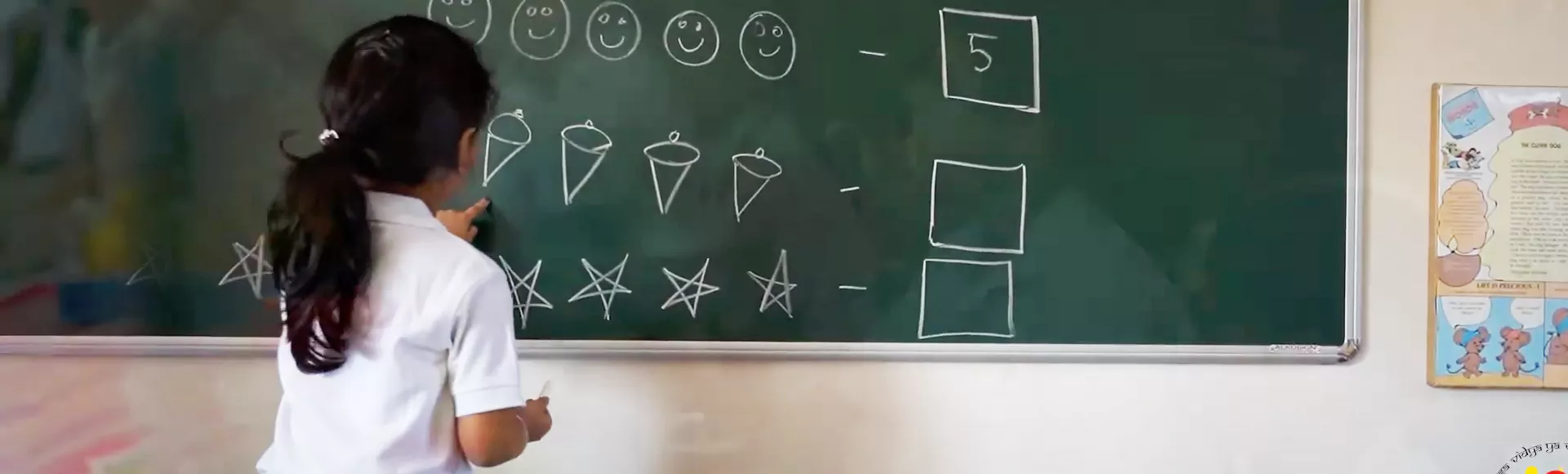
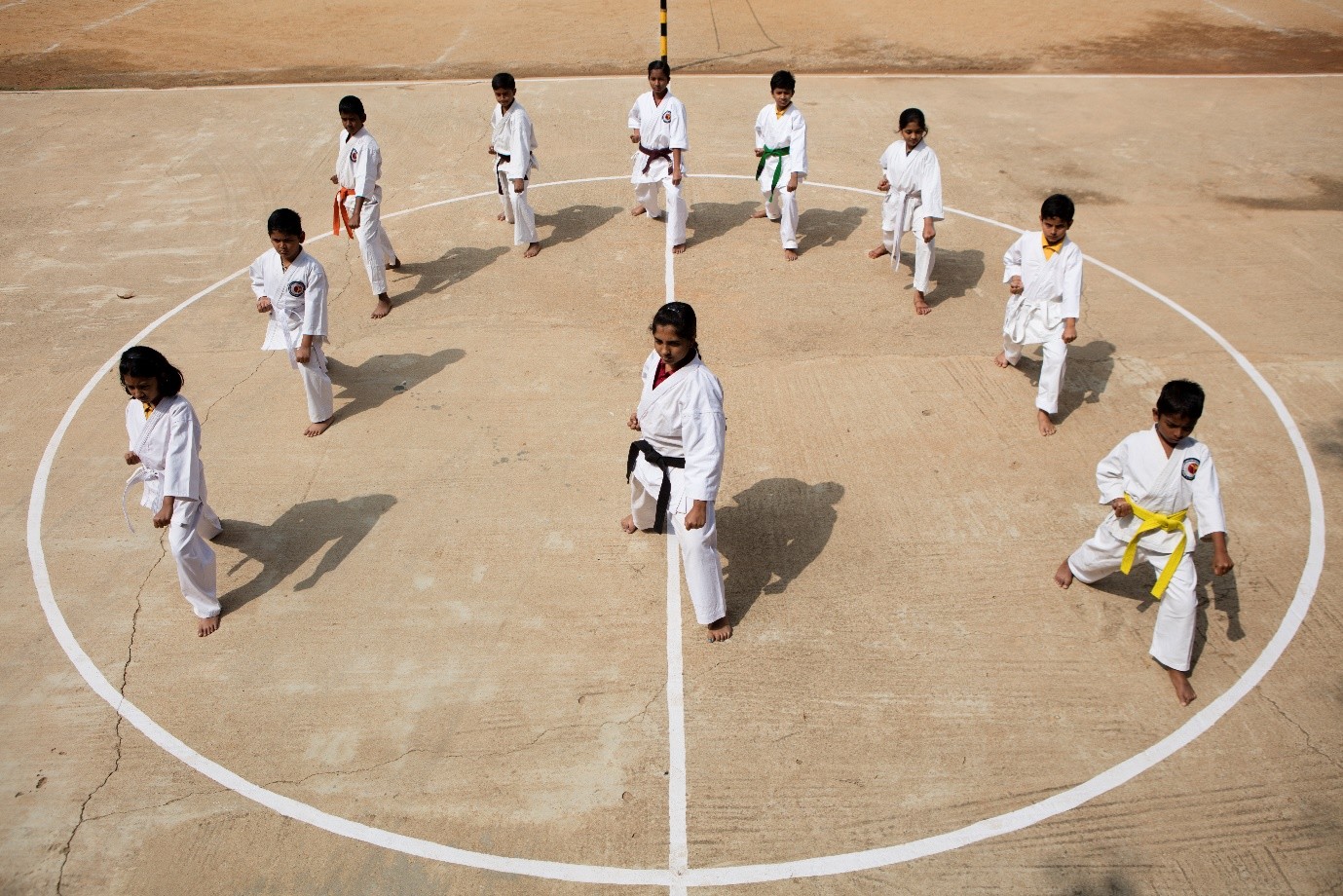
Extracurricular activities like school clubs and
societies are a great way for students to socialize and be part of a community
that is of interest to them. School clubs and societies are student-led
communities that bring together people of the same interests. Whether it be a
music society, art club, debate team, or sports club, these student-led clubs
are a great way to have fun and socialize while allowing students to gain
essential life skills.
School clubs and societies not only reinforce what the
student learns in their class but are also a great way for a student’s holistic
development. Many educational institutions are making efforts to encourage
students to join these clubs and societies so that they can grow academically,
socially, and emotionally.
In this guide, we will explain the multifaceted benefits
of participation in school clubs and societies in detail.
Academic Benefits
Enhancement of Learning Experiences
School clubs are a great way to retain and use the
knowledge gained in classes. Through hands-on experience, students are able to
apply all that they have learned and put it to good use.
For example, a student in a science club will be able to
use the things they have learned in their Chemistry classes and use that
knowledge to perform experiments in real life.
Development of Critical Thinking and Problem-Solving Skills
There are many school clubs like debate societies, math
clubs and coding clubs that help in the development of critical thinking in
children.
Olympiads, mock debates and coding camps in these kinds
of clubs are a great way for students to develop their problem-solving skills.
Improvement in Academic Performance
There are many studies that prove that students who
actively participate in extracurricular activities are able to get higher
grades and perform well academically. By joining a school club, a child is able
to feel a sense of belonging with the school, significantly reducing the
chances of them losing motivation and focus.
School clubs help in the development of many skills like
time management, resilience, discipline, and leadership that students can apply
in their daily lives.
Personal Development Benefits
Building Leadership Skills
School clubs provide many leadership opportunities to
their members. Students get the chance to take on leading roles like president,
secretary, or department heads. These roles not only give them a sense of
responsibility but they also improve their leadership skills, and
decision-making skills.
Boosting Self-Confidence and Self-Esteem
When students take on leading roles or are given the
opportunity to speak publicly, it increases their confidence. For example, when
a member of a drama club is given the lead role in a play, it increases their
confidence and improves self-esteem. Similarly, a member of a debating society
will slowly gain confidence by taking part in mock debates and discussions and
Model United Nations.
Time Management and Organizational Skills
Students who join extracurricular activities have to maintain
a balance between their club responsibilities and tasks and their academic
curricula. These challenges not only teach them how to manage time effectively
but also teach them how to prioritize tasks and balance various
responsibilities at once.
Social Benefits
Expanding Social Networks
School clubs are a great way to make lasting friendships
and improve social skills. Joining a school club allows a student to meet new
people with similar interests from various backgrounds.
This offers not only an opportunity to make new friends
but also to learn about different opinions and mindsets.
Enhancing Communication Skills
Numerous school clubs work together in groups and share
their ideas, which is a great way for students to express themselves and
communicate their thoughts and opinions.
For example, a member of the debating club can express
their opinions on certain topics and persuade people during mock debates and
Model United Nations.
Promoting Cultural Awareness and Diversity
School clubs allow people from different backgrounds,
cultures, and mindsets to come together and socialize. In multicultural clubs,
students are free to share their viewpoints, culture, and traditions with other
members.
Diversity and cultural awareness not only expose students
to different cultures, it also promotes empathy and open-mindedness.
Career Preparation Benefits
Networking Opportunities
By networking with different people in events organized
by school clubs and societies, students can build strong
connections. They can be industry professionals, alumni, or even organization
representatives. These connections may come in handy for future guidance and
career opportunities.
Skill Development Relevant to Careers
School clubs are a great way to gain soft skills that are
valuable in workplaces. Skills like leadership, taking initiative, adaptability, and communication are greatly
valued by future employers and admission counselors.
Aside from soft skills, clubs and societies grant many
opportunities to students to hone their technical skills. For example, a person
with a coding background in a STEM club will have many benefits in a related
career path.
Enhancing College and Job Applications
Universities and employers don’t just look for good
grades and high marks. Extracurricular activities like school clubs and
societies related to the relevant field are something that they pay attention
to. Club involvement shows them initiative, leadership, and well-rounded
character.
For example, a person who served as a leading member of
the debating society will have a high chance of getting into a Political
Science program. Listing your contributions to the club is a great way to
showcase your involvement and skills.
Community Engagement Benefits
Opportunities for Volunteerism and Service
Many societies and clubs make an effort to give back to
the community and make a difference through donation drives, educational
programs, and other initiatives. Students who participate in these initiatives
develop empathy and become more socially aware.
Developing a Sense of Responsibility and Citizenship
Students can develop a sense of responsibility and civic
duty through group discussions and activities in a school club that are related
to social and cultural issues. Being part of the discussion exposes students to
different problems and viewpoints associated with them. This encourages
students to lead change and work to make the world a better place.
Physical and Mental Health Benefits
Encouraging Physical Activity
Many clubs like sports clubs, dance societies, and
fitness clubs involve physical activities and promote the physical well-being
of their members. Students can stay fit and reduce stress levels significantly
through regular physical activity by participating in school clubs.
Providing Stress Relief and Emotional Support
School clubs can be a great way for students to relieve
stress by socializing with people and sharing their problems and experiences
with the people around them. Students can get the emotional support they need
from the clubs and feel more relaxed.
Potential Challenges and Considerations
Balancing Academics and Extracurriculars
Some students take much more burden than they can carry.
It is important to find a healthy balance between academics and extracurricular
activities to prevent exhaustion and stress.
Rather than overcommitting themselves to one activity,
students should learn to prioritize their academic and club responsibilities
and find a way to manage time effectively.
Financial and Time Commitments
There are some clubs and societies that require a
membership fee, costly equipment, or travel fees. For example, a photography
club may ask you to bring your own cameras. It is always better to ask
beforehand about any costs related to a club before joining.
Managing time effectively can be a tough task for school
students. For this, students can use planners and learn to prioritize tasks
according to importance and urgency.
Ensuring Inclusivity and Accessibility
Schools should make an effort to make clubs and societies
accessible to all students regardless of their backgrounds. There are many
barriers to participation in school clubs that can be addressed and removed,
such as membership fees and cultural biases.
Wrapping Up
School clubs are not only a great way to pursue your
interests and have fun but also a great opportunity to develop skills and build
a network of strong connections for your future career. School clubs can teach
students important life skills that they may not be able to learn in their
classes. Participation in extracurriculars is a great way for a student to grow
in academics and have holistic development.
Frequently Asked Questions (FAQs)
What are the most popular types of school clubs?
There are many types of school clubs out there that cater
to different interests, such as debate, drama, dance, art, fitness, and
robotics, among others.
How can I start a new club at my school?
To start a new club,
you can find interested members, get approval from a faculty member, and
come up with a structured proposal to the school authorities.
What should I consider when choosing which club to join?
It is best to consider your interests, long-term goals,
and what skills you want to gain and then find a club that aligns best with
those.
Can participation in multiple clubs be beneficial?
Yes, participation in multiple clubs may prove beneficial
as long as students can manage multiple tasks at the same time without feeling
burnt out and stressed.
How do colleges view high school club involvement?
Colleges view high school club involvement positively, especially if the club is related to the program the student wants to get into. The contribution and leadership of the student in their school club can make an impact on their college applications.